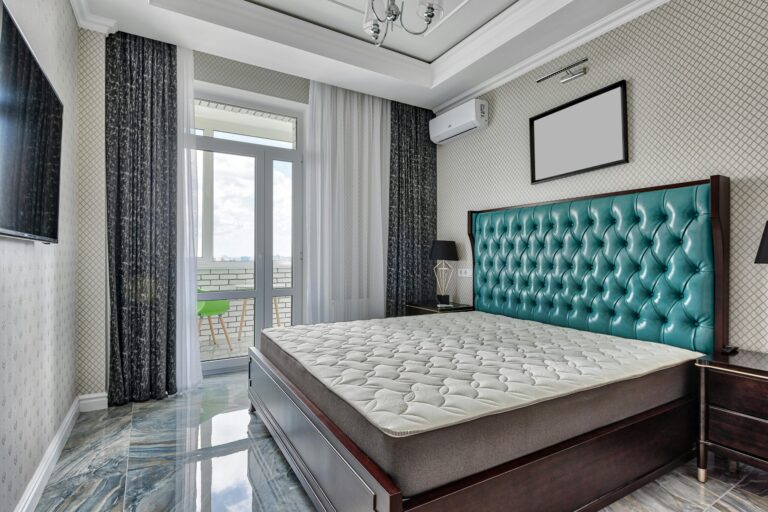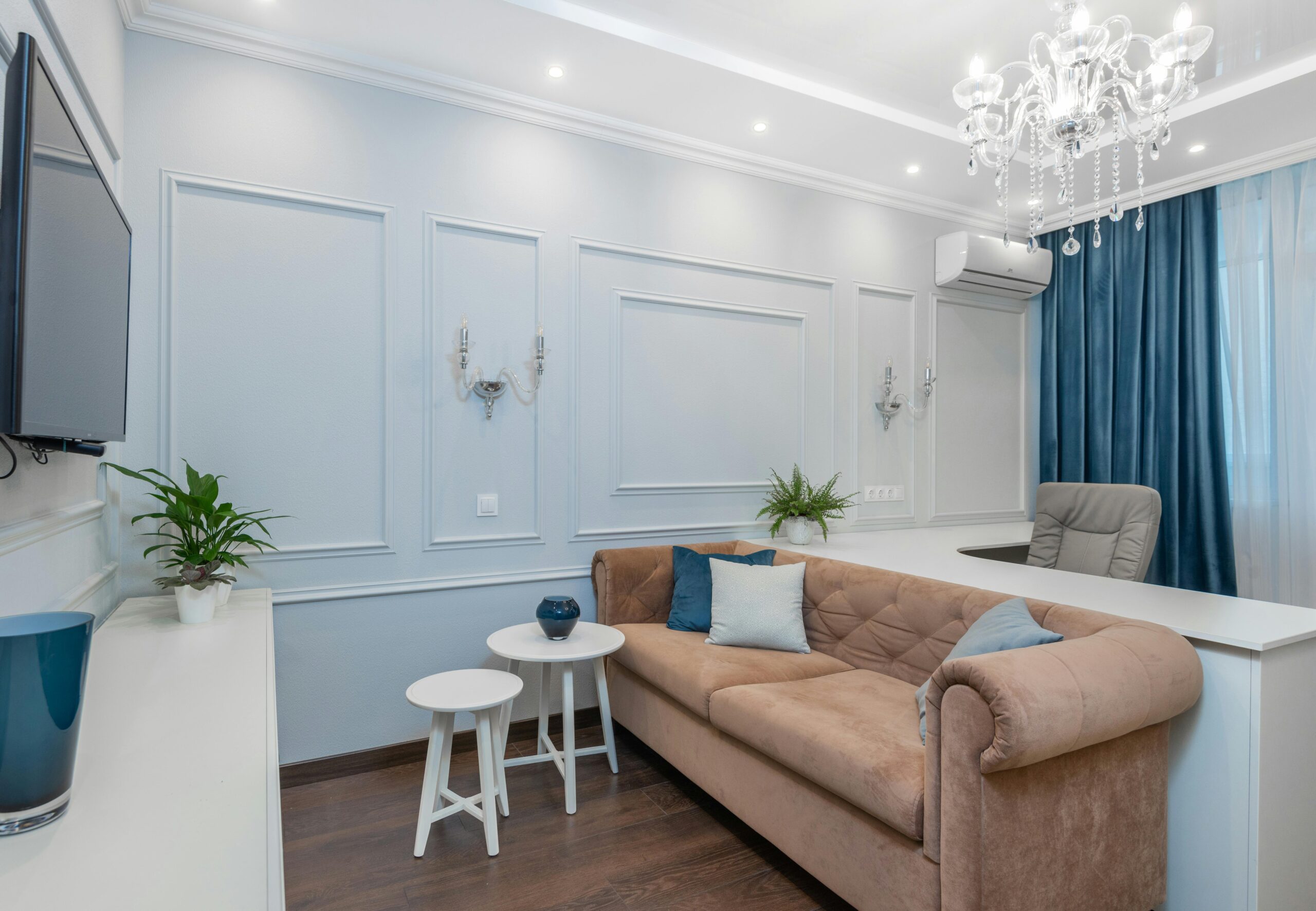
The dream of the giant sectional sofa often gives way to the reality of limited space. Furnishing a small living room is one of the most common, yet most rewarding, challenges in interior design. Far from being a constraint, a reduced space is an invitation to creativity and ingenuity. The goal is not to cram furniture, but to maximize the function and beauty of every square inch. This comprehensive guide reveals designer strategies to transform your small room into a warm, spacious, and elegant living area.
The Golden Rule — Think Vertical and Light
When you cannot extend the floor area, you must utilize height and lighten the visual impact.
1. The Choice of Furniture: Proportion and Lightness
This is the most common mistake: choosing overly bulky furniture. In a small living room, proportions are crucial.
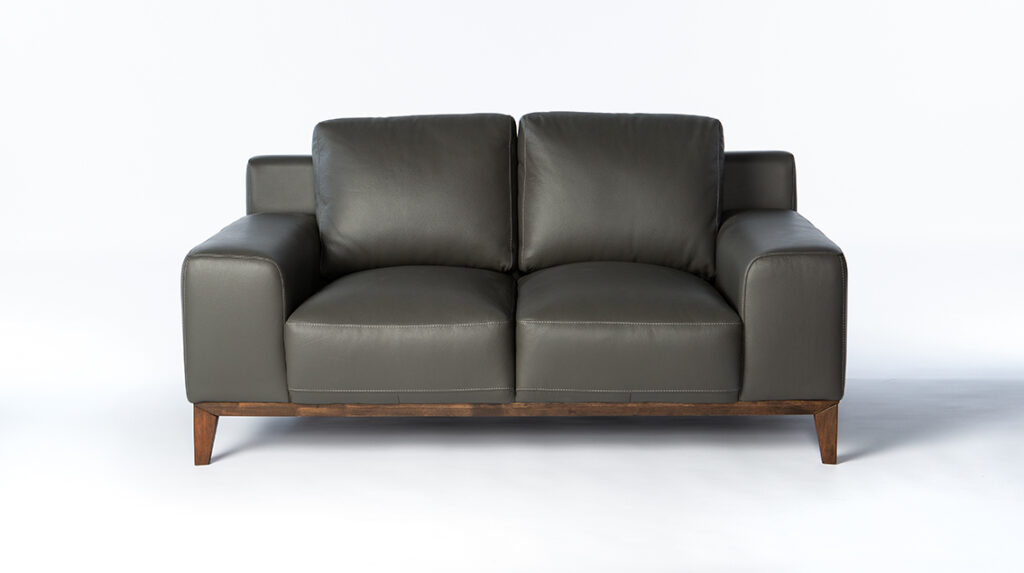
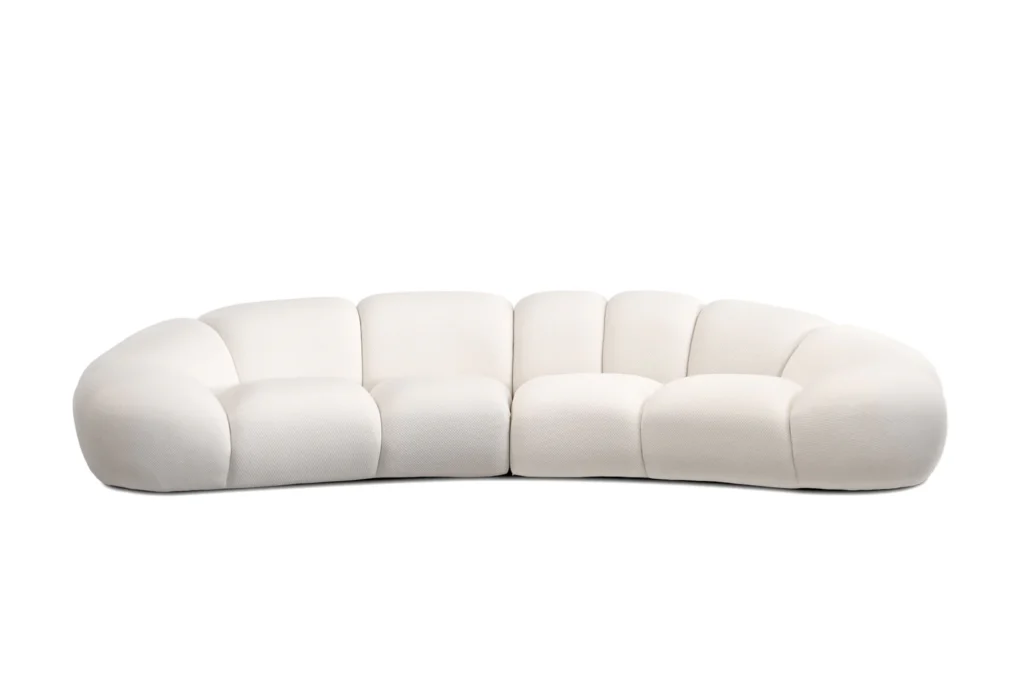
The Sofa: The Focal Point. Opt for a sofa with clean lines and thin armrests. A sofa on legs (with thin and tall legs) clears the view of the floor, immediately creating a sense of space and lightness. A sectional sofa can even work if it is placed against the longest wall to maximize seating without breaking up circulation.
The Coffee Table: Transparency and Function. Avoid massive blocks. Opt for coffee tables in glass, acrylic, or with a fine metal structure. A table with integrated storage (drawers or a removable top) is an excellent choice for a multifunction piece of furniture.
The Shelves: Vertical Utilization. Wall shelves reaching up to the ceiling free up floor space. Use them for storage and decoration, taking care not to overload them. Open shelves are visually less heavy than closed bookcases.
2. The Optical Illusion: Mirrors and Light
The Power of Mirrors: A large mirror strategically placed facing a window (or facing the room) will reflect natural light and space, visually doubling the size of your small living roomroom. This is the best-kept secret of designers for making a space look bigger.
Strategic Lighting: Multiply indirect light sources (slim floor lamps, table lamps, wall sconces). Avoid low and imposing pendant lights that break the perspective. Well-thought-out lighting is essential to make the space more welcoming and less cramped.
Intelligent Organization — Space Saving
Efficiency is the motto of a small space. Every piece of furniture must justify its presence.
1. 2-in-1 Furniture (Multifunction Furniture)
Double-duty pieces are the heroes of furnishing a small space.
The Convertible (or Modular) Sofa: Essential in a studio apartment or for hosting guests. Modern models offer uncompromising comfort and convert easily.
Storage Ottomans: They serve as extra seating, footrests, and discreet storage chests for remote controls, magazines, or throws.
The Fold-Away Desk (or Retractable Desk): If your living room also serves as a workspace, a desk integrated into a bookcase or one that folds into a cabinet maintains visual clarity outside of work hours.

2. Defining Zones Without Partitioning
In a living room that is open to the kitchen or dining room, it is important to delineate functions without erecting walls.
The Rug : A large, well-centered rug serves as an anchor and a clear visual boundary for the living room area.
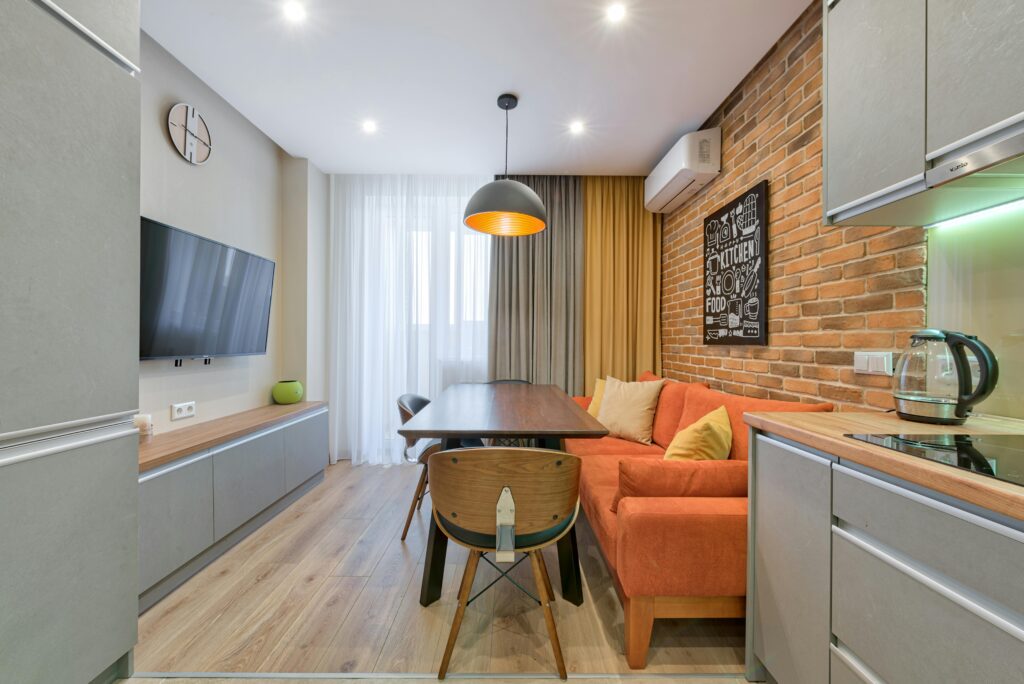
The Colors : Use a light and consistent color palette. White, cream, or light gray walls are ideal. If you want a touch of color, reserve it for a single accent wall and use it for accessories (cushions, artwork).
Enough Space Around : Ensure there are clear pathways. Ideally, there should be 45 to 60 cm free space around the coffee table and between the main furniture pieces for smooth circulation.
Organizing a small living room Furnishing/Organizing a small space is an opportunity to embrace functional minimalism. By choosing multifunctional furniture, by prioritizing visual lightness, and by using light and color tricks, you are not just creating a larger space, you are creating a more organized and serene home. Dare to be creative and make every chosen piece a style statement.
FAQ on Furnishing/Organizing a Small Living Room
The best sofa is a model with clean lines with slim armrests and, if possible, on thin and tall legs. The format a convertible sofa or the small sectional sofa well-proportioned maximize seating without cluttering.
Use pale colors on the walls, place large mirrors to reflect light and space, and prioritize furniture on legs to clear the floor.
You should use furniture of appropriate proportionsA single large, well-chosen sofa is often preferable to several small armchairs that create a sense of clutter and impede circulation in the small living room.
Storage should be vertical (wall shelves) and built-in (multifunctional furniture). Use storage ottomans, coffee tables, or benches with hidden storage for a space saving maximal and minimal clutter.
You should avoid using colors that are too dark and intense on all walls. Focus bright colors on accessories or a single accent wall. Prioritize light neutrals (white, cream, pearl gray) for the base.